A personal trainer in Seattle at Eastlake Performance offers 1 on 1 personal
training, semi private training, partner training, athletic performance coaching,
injury rehabilitation, and weight loss programs.
Serving residents across Seattle, Capitol Hill, Eastlake, Fremont, Queen Anne,
Green Lake, Wallingford, and the University District. Sessions are led by
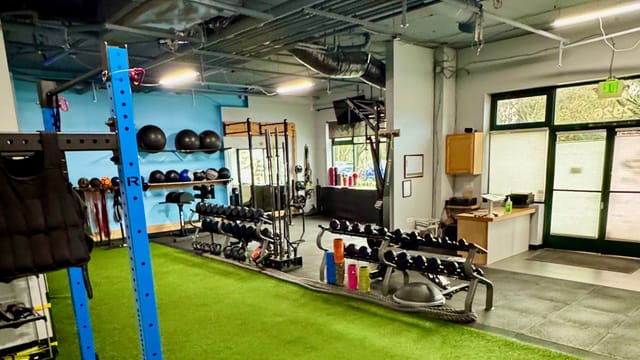
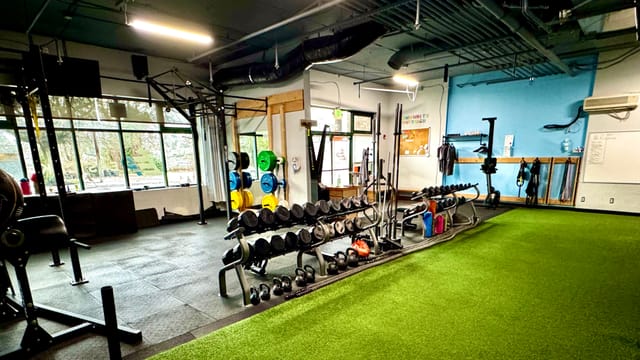
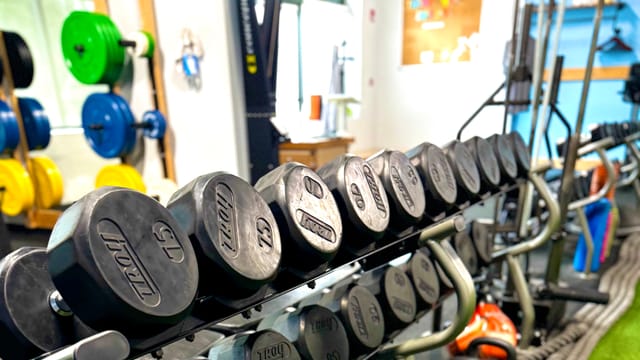
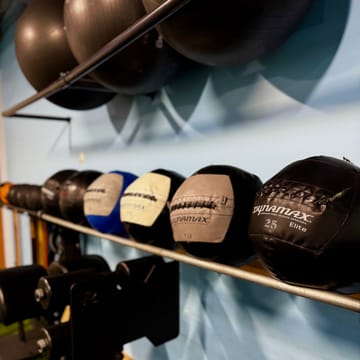
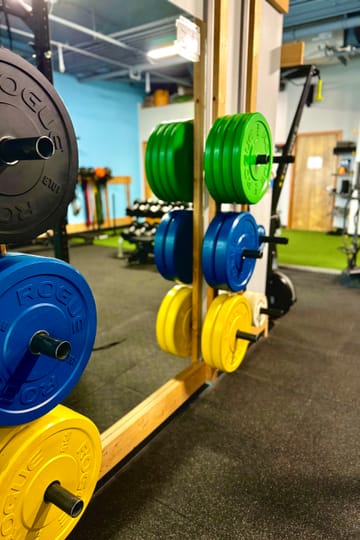
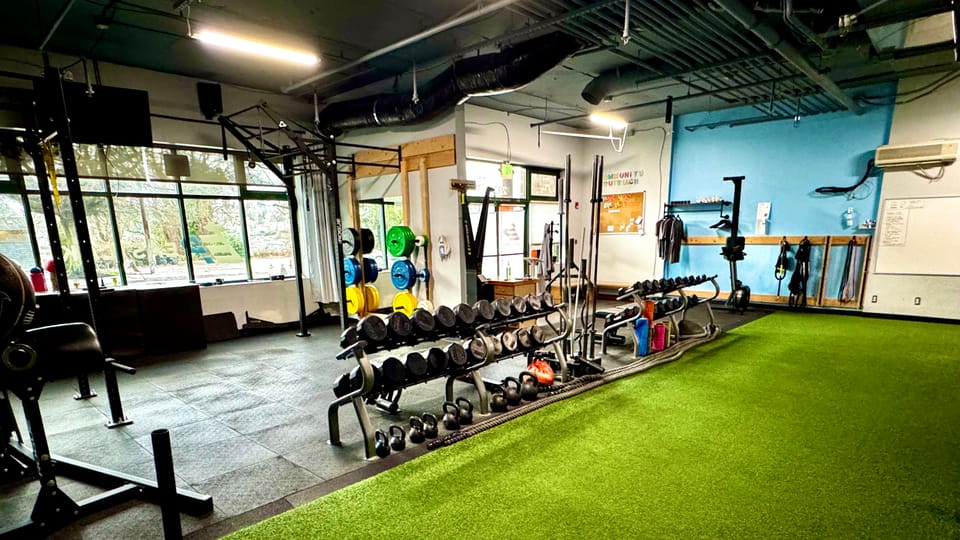
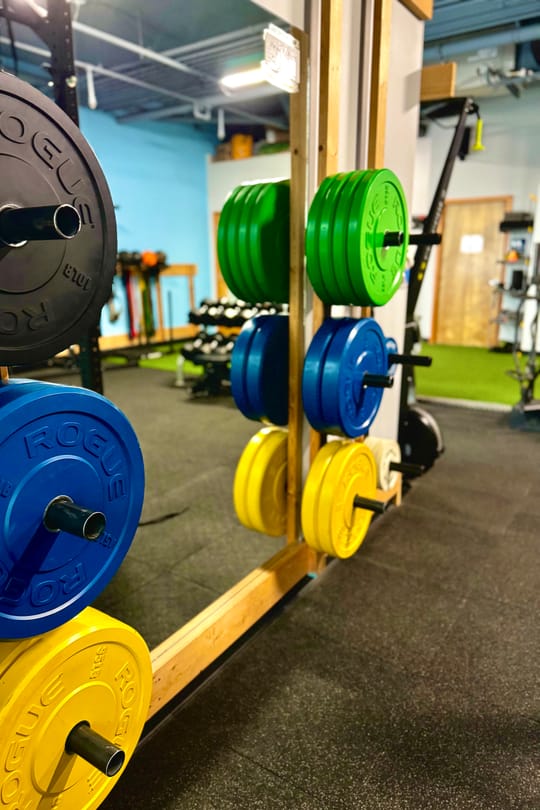
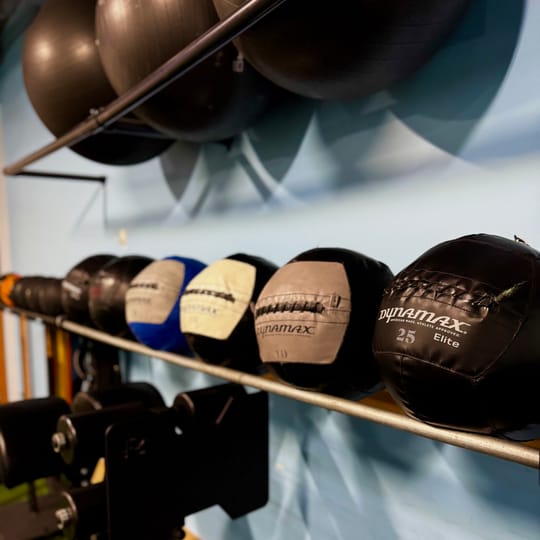
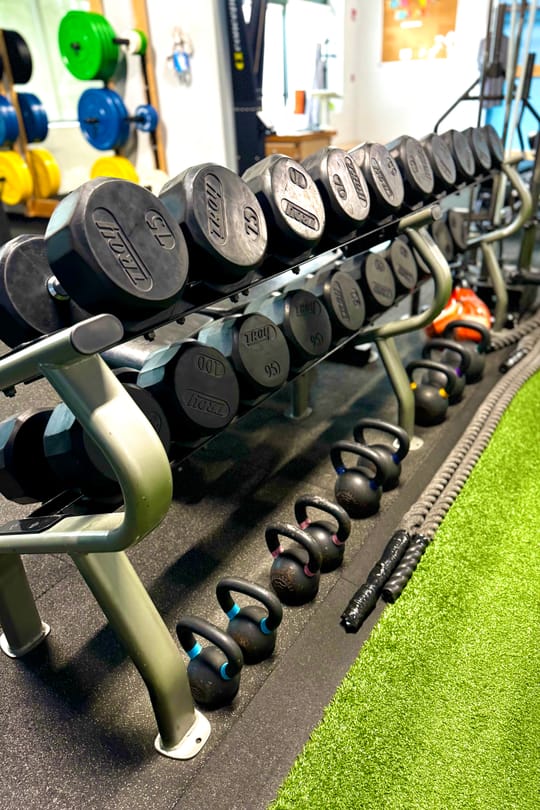
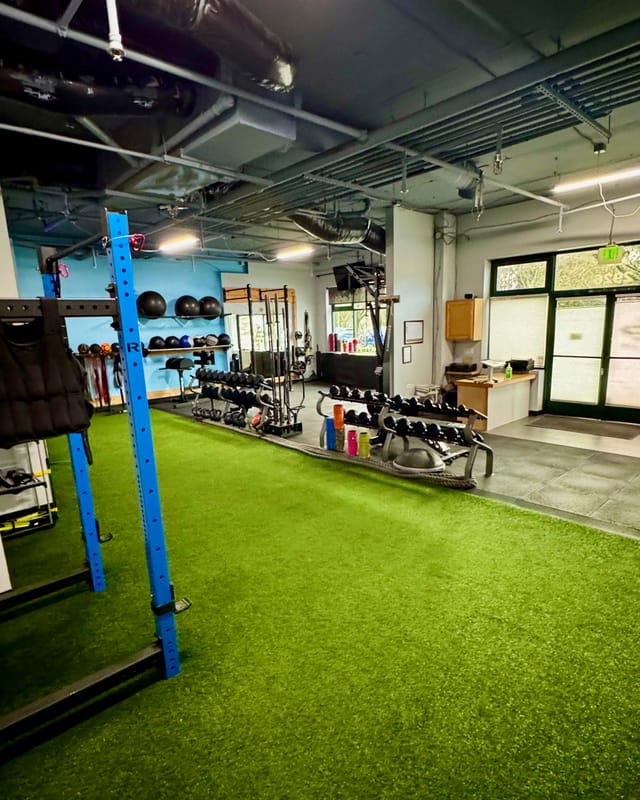
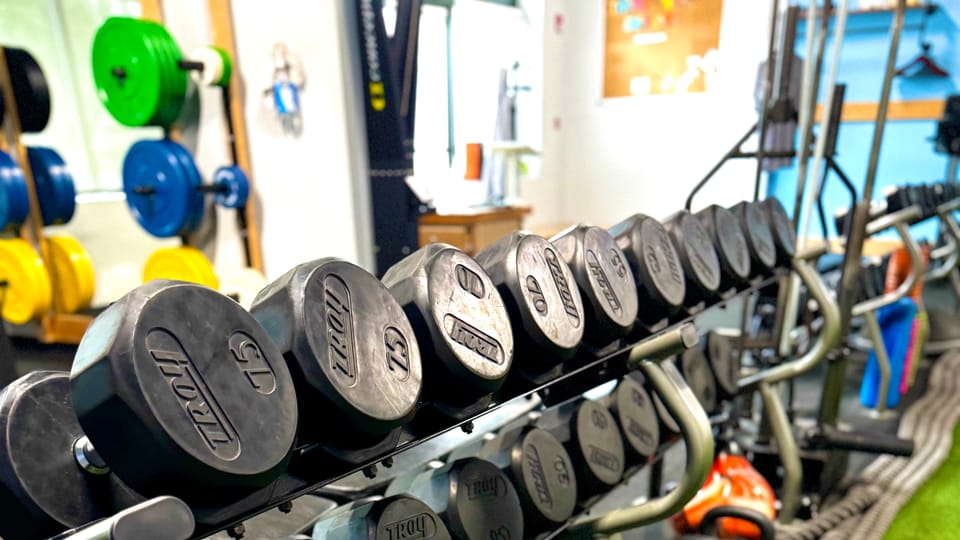
experienced, top rated coaches inside a fully equipped private training studio at
2926 Eastlake Ave E. At Eastlake Performance, 1 on 1 personal training costs $106
to $125 per session depending on package size, with semi private training at $55
to $67 per person per session. All programs are personalized to your goals
using data from a 3D body scanner for measurable, trackable progress —
see current package pricing.
01
Every program starts from a measurement, not a template
Every program is designed around your goals and tracked using a 3D body scanner
that measures body fat, muscle mass, and body composition with precision at every
check-in. Services include 1 on 1 personal training, semi private training,
partner training, athletic performance coaching, injury rehabilitation, and
weight loss programs.
02
You are assessed before you are programmed
Nobody writes you a plan on day one. The consultation exists to find out how you
move, what you are working with and what you are actually training for. The
program follows from that, and changes when the evidence does.
03
The people coaching you are qualified
The coaches hold degrees in kinesiology and exercise science, and each writes the
programs they deliver. Evidence over trends is the studio’s stated
position, not a slogan.
04
The room is deliberately small
Groups in semi-private training are capped at four clients per trainer, so every
client receives real, individualized attention. That cap is a business decision
that costs us capacity and buys you a trainer who is watching your set instead of
running a class.
Whether you are a competitive athlete from Bellevue or Kirkland, a working
professional in Capitol Hill, or someone training seriously for the first time,
the studio has the program, the coaches and the tools to get you measurable
results. Email info@eastlakeperformance.com
to arrange a free intro call.